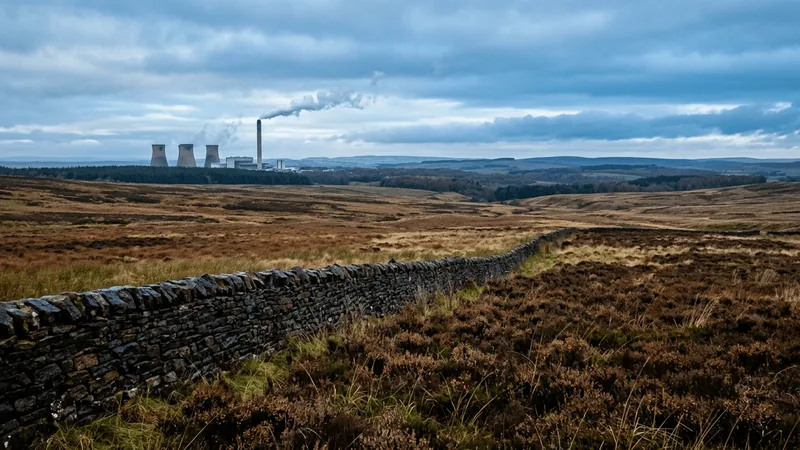






A heavy-duty marine power cable, coiled like a dormant sea creature on a granite quayside, tells a story of industrial evolution. Once specified to energise an offshore oil and gas platform, its purpose is now being reimagined to feed power to a shoreside electrolyser park. This single artefact symbolises a wider shift occurring in legacy energy ports like Aberdeen, where deep-water access, robust grid connections, and a highly skilled engineering workforce are being repurposed. The transition from extracting hydrocarbons to producing hydrogen is not merely a change in commodity. It is a fundamental rewiring of the port’s industrial purpose, demanding new thinking in electrical and systems engineering.
From Platform to Port: The New Role of Harbour Infrastructure
Harbour cities are uniquely positioned to become central nodes in the emerging hydrogen economy. Their logistical advantages are self-evident, offering deep-water access for transporting hydrogen derivatives like ammonia and providing laydown area for large-scale equipment. More critically, they often possess the high-capacity electrical infrastructure previously developed to support offshore operations and port industries.
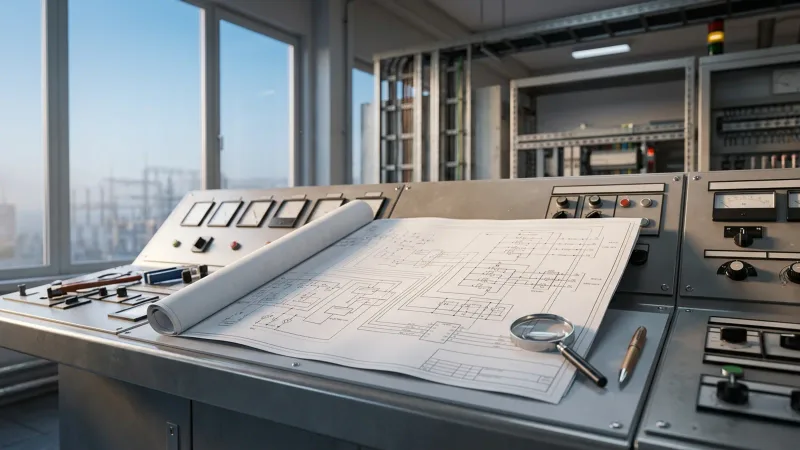
These existing grid connections, often at voltages like 33 kV or 132 kV, are a crucial prerequisite for powering the multi-megawatt electrolyser arrays required for industrial-scale green hydrogen production. The challenge lies in adapting this infrastructure. An offshore platform power system is designed for high reliability in a remote, self-contained environment, whereas a quayside hydrogen facility must integrate seamlessly with the national grid, managing potentially intermittent renewable power sources and delivering precisely controlled DC power to the electrolysis process. This represents a shift from remote, steady-state power provision to dynamic, grid-integrated energy conversion, demanding a different approach to substation design and power quality management.
The Unique Electrical Appetite of Green Hydrogen
Electrolyser parks are formidable electrical loads with a unique character. Unlike traditional industrial motors or heating systems, they are large-scale power electronic loads, behaving as massive DC converters. The core process of electrolysis—splitting water into hydrogen and oxygen—requires vast amounts of direct current (DC).
This necessitates the use of large rectifier systems, which convert the alternating current (AC) from the grid into the stable, low-ripple DC needed by the electrolyser stacks. The sheer scale and non-linear nature of these rectifier loads introduce significant power quality challenges. Harmonic distortion, where the current waveform deviates from a pure sine wave, is a primary concern.
These harmonics can propagate back into the grid, potentially affecting other connected users and causing voltage distortion or equipment overheating. Consequently, substation design for hydrogen plants must incorporate advanced harmonic filtering solutions, either passive (tuned filter banks) or active (STATCOMs or active filters), to ensure compliance with grid codes and maintain system stability. The specification of the main power transformers must also account for these harmonic loads, which lead to increased winding losses and thermal stress compared to conventional loads.
Rectifier Transformers in a Marine Setting
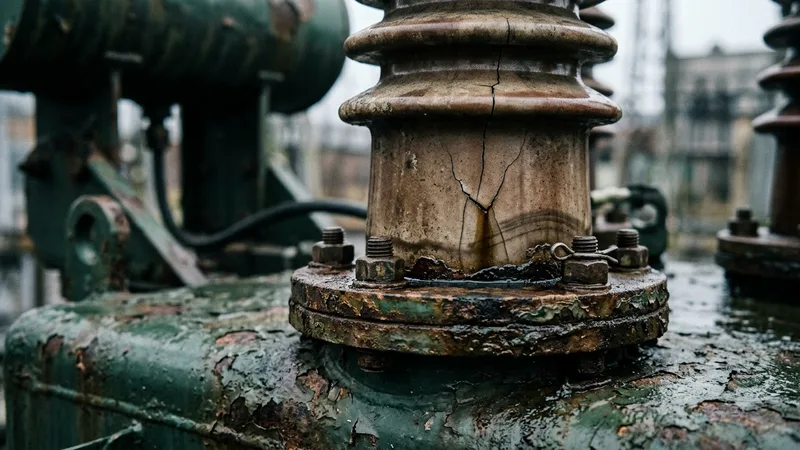
At the heart of the AC-to-DC conversion process sits the rectifier transformer. While the principles are universal, its application in a coastal or port environment introduces a host of material and design challenges. The saline, humid atmosphere is highly corrosive, necessitating enhanced protection for the tank, cooling systems, and bushings.
Paint systems must be specified to marine-grade standards (e.g., C5-M in ISO 12944), and hardware is often stainless steel. Furthermore, space in a busy port is always at a premium, driving a preference for compact designs and potentially the use of ester fluids, which offer a higher fire point and biodegradability, enhancing safety in congested areas. Vibration from nearby port activities, such as heavy vehicle traffic and ship movements, must also be considered in the mechanical design of the transformer and its foundation.
The electrical design is equally specialised. These units often feature multiple secondary windings to feed separate rectifier bridges, a technique used to phase-shift the currents and cancel out lower-order harmonics at the source. This complex winding arrangement requires careful modelling to manage short-circuit forces and ensure precise voltage balance across the outputs.
Engineering for Hostile Environments: IEC and BS EN Standards
To ensure reliability in these challenging applications, engineers rely on a robust framework of technical standards. The BS EN 60076 series (IEC 60076 internationally) forms the bedrock of power transformer design and testing. For hydrogen applications, which fall under the umbrella of power electronics and converter-fed systems, specific parts of this family are particularly relevant.
One key document is BS EN 60076-22-7, which addresses transformers and reactors for high-current rectifier applications. This standard provides guidance on handling the unique duty cycles, harmonic content, and DC components associated with converter loads, ensuring the transformer is designed to withstand the additional thermal and dielectric stresses. It informs the entire engineering process, from calculating harmonic loss factors (K-factors) to specifying insulation systems capable of withstanding rapid voltage changes (dv/dt) imposed by the power electronics. Adherence to these standards is not merely a matter of compliance. It is a critical risk mitigation strategy, ensuring that these capital-intensive assets can operate reliably for decades in an environment that is electrically and environmentally hostile.
Offshore Oil & Gas vs. Onshore Hydrogen: Engineering Skillsets
Transferable Skills and New Specialisms
The transition from oil and gas to hydrogen is not a complete reset of engineering knowledge; rather, it is a significant pivot. Decades of experience in managing complex, hazardous industrial processes in marine environments provide a powerful foundation. Skills in project management, structural engineering for coastal sites, marine logistics, and process safety (HAZOP/LOPA) are directly transferable.
An engineer who has designed high-pressure pipework for natural gas can readily adapt their knowledge to hydrogen, albeit with crucial new considerations for material compatibility to avoid hydrogen embrittlement. Similarly, experience with hazardous area classification and managing explosion risk is invaluable. However, new specialisms are essential.
Deep expertise in power electronics, grid-code compliance, and the specific electrochemistry of different electrolyser types (Alkaline, PEM, SOEC) is now critical. The material science challenges are also different, moving from a focus on hydrocarbon corrosion to a focus on hydrogen’s effects on metals and the unique demands of cryogenic systems for storing liquefied hydrogen. The workforce that once supported the North Sea can adapt, but it requires a conscious effort to build new competencies on top of its existing, hard-won expertise.
A key engineering distinction lies in the finality of the system’s state. An offshore platform power system is designed around a known, finite set of loads with predictable operating profiles, whereas an electrolyser park connected to the national grid represents a more dynamic and interactive load. Its behaviour is subject to grid frequency fluctuations, voltage sags, and the variable output of wind or solar generation, demanding a control philosophy rooted in grid integration rather than islanded operation.